API’s aren’t mutually exclusive after all, right? You have options.
There are legitimate reasons to use an API. Examples include integration between a legacy mainframe system, ecommerce, or a development team that has chosen a different platform such as .NET or PHP.
Tendenci doesn’t meet all of the functional requirements for everyone by design. Instead we work with great technology like machine learning. The open AMS community isn’t focused on reinventing the wheel. It just doesn’t make economic sense for a non-profit, or even a for profit company, to reinvent Amazon.com or Ebay.com. This is particularly true if you are causes-based association or non-profit given the expense.
Does Tendenci AMS work with other providers? Absolutely. Any provider with an API or that supports SSO or RSS or has their own technology like google tag manager.
Non profits don’t have money to waste. Therefore we aligned our product to major industry supported technology.
Our technology stack as of 2018 is:
Tendenci
Django Web Framework
Javascript and jquery
Bootstrap CS
Python Programming Language
Postgres Database with GIS
Docker Containers
Ubuntu
For more on The Open Source AMS integration via API visit our AMS API Helpfile or read up on everything Tendenci Works With. Or if you aren’t into open source, there are definitely alternatives to Tendenci.
If you do pick an alternative, we suggest you consider Security FIRST and go from there.
Python, the language used to program Tendenci – The Open Source AMS, continues it’s meteoric rise in the world of developers. And where the developers go is where the rest of us go. Thus Python’s rise matters. And it benefits every Tendenci user, self hosted or hosted with our small company (same software either way).
Python has continued its upward trajectory from last year and jumped two places to the No. 1 slot, though the top four—Python, C, Java, and C++—all remain very close in popularity.
June 2017 was the first month that Python was the most visited tag on Stack Overflow within high-income nations. This included being the most visited tag within the US and the UK, and in the top 2 in almost all other high income nations (next to either Java or JavaScript). This is especially impressive because in 2012, it was less visited than any of the other 5 languages, and has grown by 2.5-fold in that time.
They have numerous charts to back up the data, but these two in particular paint a telling picture.
From Stack Overflow – the current tag questions viewed:
The above graphs should give you confidence in your choice of using Tendenci as your AMS as the developers are not only there, but growing. Given Tendenci is fully open source (this is different from “free trial” AMS systems which are NOT actually FOSS (Free and Open Source Software). Wikipedia describes the difference as:
(FOSS means) anyone is freely licensed to use, copy, study, and change the software in any way, and the source code is openly shared so that people are encouraged to voluntarily improve the design of the software.[3] This is in contrast to proprietary software, where the software is under restrictive copyright and the source code is usually hidden from the users.
The good news is with the growth of Python, it only make sense that developers will look at and many will join in to help the community improve the software as they join associations themselves.
We’ve written about why we chose Python over PHP to develop Tendenci open source several times. Correctly choosing the open source stack gives us, and everyone in the community, confidence to see the trends predicted correctly. It wasn’t rocket science – we just listened to our team, we listened to younger developers, and most importantly we listened to our clients on what the future was/is going to be.
Why are associations unwilling to accept apps that meet only minimal requirements? Um… because they started as Guilds and go back to Medieval times. From Britannica on Guilds and Trade Associations:
Guild, also spelled gild , an association of craftsmen or merchants formed for mutual aid and protection and for the furtherance of their professional interests. Guilds flourished in Europe between the 11th and 16th centuries and formed an important part of the economic and social fabric in that era.
and Britannica goes on….
… associations are known to have existed in ancient Rome, however, where they were called collegia. These craft guilds seem to have emerged in the later years of the Roman Republic. They were sanctioned by the central government and were subject to the authority of the magistrates.
This is a huge topic of course. Just know that Tendenci is the ONLY top ranked AMS system that is truly FOSS. Unlimited admins, users, contacts – you can self host or if hosted with us we only charge for processing power. Got 1M users and contacts and 50 admins? No problem. And the growth of Python assures your continued freedom from vendor lock-in no matter what.
Written specifically for the NPO/Association market, Tendenci has continued to grow and adapt to meet the specific needs of these groups. From building on an open source framework that allows complete freedom – to mobile responsive software design – to online forums and newsletter features that keep the community involved, Tendenci continues to invest in the NPO sector. And the NPO’s have responded!
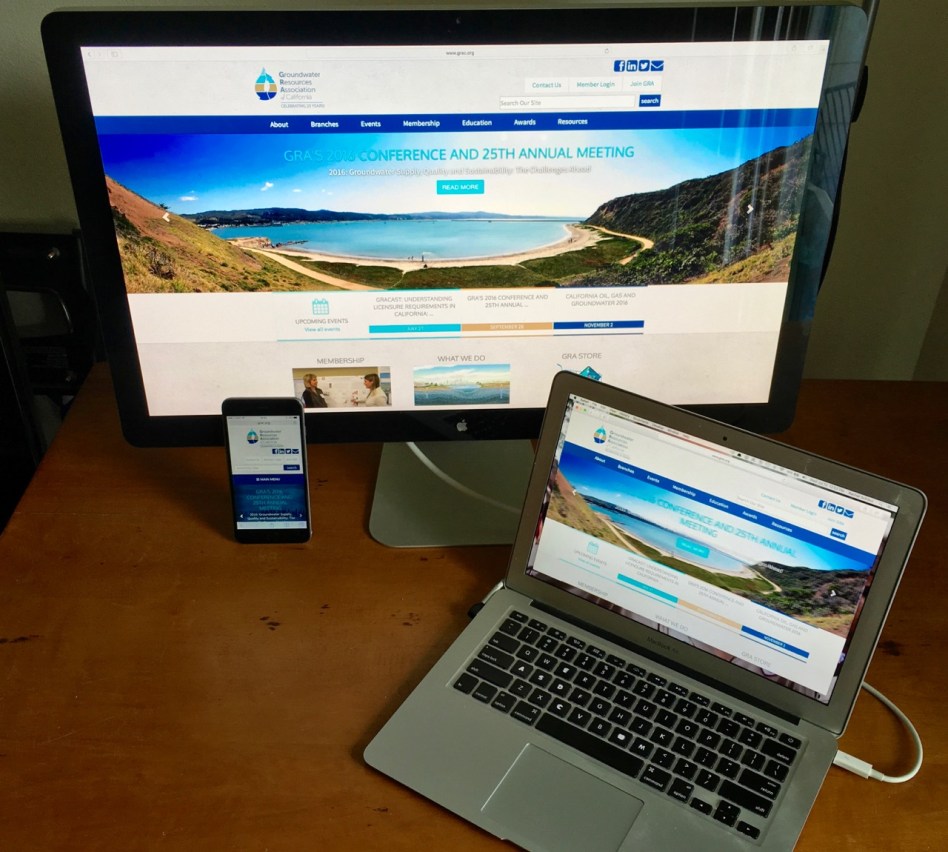
We are pleased to continue our relationship with the following organizations that have recently released upgraded websites and extend a warm welcome to those that are new to the Tendenci community.